Compare quotations on the same basis
Use the same sheet size, thickness and density when comparing PVC foam board manufacturers in China.
Enter the nominal sheet size, thickness, density and quantity to estimate weight per sheet and total order weight. Use the result to compare China manufacturer quotations, plan packing and check whether a sample or production sheet matches the agreed specification.
The calculation uses nominal dimensions and density. Confirm actual production tolerance and measured batch weight with the supplier.
Weight (kg) = length (mm) × width (mm) × thickness (mm) × density (g/cm³) ÷ 1,000,000.
A weight calculation is useful only when it stays connected to the written grade, sample and batch inspection.
Use the same sheet size, thickness and density when comparing PVC foam board manufacturers in China.
Compare calculated nominal weight with the measured sample weight and ask about the agreed tolerance.
Send application, grade, dimensions, density, quantity, surface, color, packing and destination together.
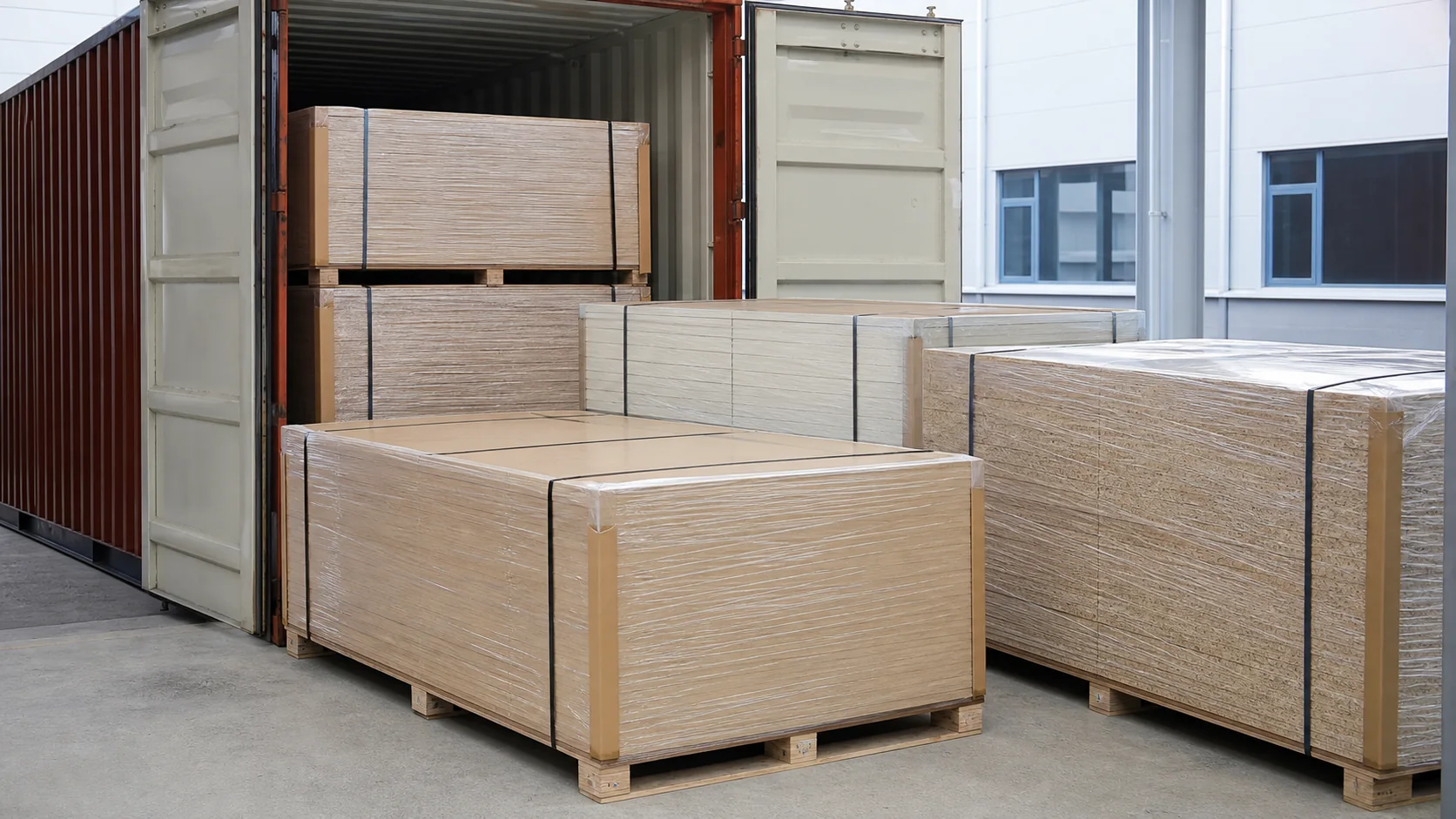
Use total sheet weight as an input for packing design; let the supplier confirm pallet, container and legal payload limits.
Ask for thickness readings, density or sheet-weight checks, surface inspection, labels, pallet photos and loading evidence.
Confirm test reports, certificates, MOQ, lead time and commercial terms for the exact grade and destination.
State whether the sheet is for signage, UV printing, cabinets, CNC routing, displays or another project.
Use the quoted length, width, thickness and density, then enter the planned sheet quantity.
Measure sample dimensions and weight and keep its label tied to the written specification.
Ask the supplier to connect batch QC, pallet labels and loading photos to the same order.
No. It is a planning estimate based on nominal dimensions and density. Use an approved sample and measured production sheets for final acceptance.
Actual weight can differ because of density and thickness tolerances, surface layers, protective film, moisture, trimming and scale accuracy.
Send application, board type, length, width, thickness, density or grade, surface and color, quantity, packing, destination and required QC or test-report items.
Product definition and buying guidance. Panel substrates should be compared by moisture exposure, machining, surface finish, load, density or core construction, emission requirement and total project cost.
PVC foam board weight calculator is presented as a distinct purchasing family rather than a generic category label.
Panel substrates should be compared by moisture exposure, machining, surface finish, load, density or core construction, emission requirement and total project cost.
Send substrate type, sheet size, thickness, density or core requirement, surface, machining, edge treatment, quantity, packing and destination compliance.
JINYOU will map the request to the suitable current product, owned-production or partner-manufacturing source as applicable, then confirm samples, documents and commercial terms before order.
This is a typical process and supply-control sequence, not a claim that every product is made on one JINYOU-owned line. Exact procedures and evidence depend on the confirmed factory, grade and order.