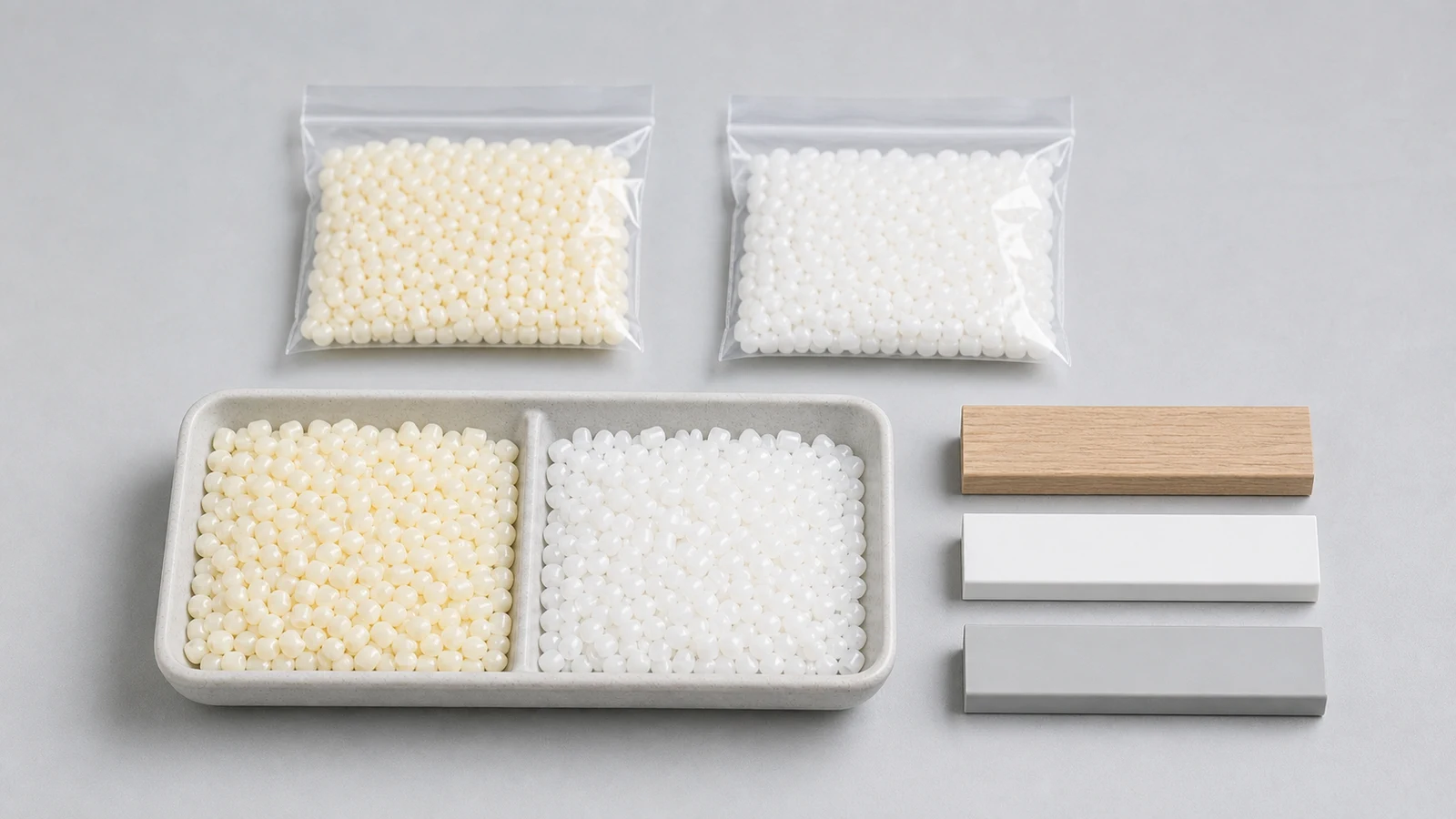
Understanding Low-Temperature Hot Melt Adhesive 1625 and where it fits
Low-temperature hot melt adhesive 1625 is intended for edge-banding conditions where a lower application window can reduce heat load or support heat-sensitive materials. The grade name does not replace a compatibility trial.
Machine heating control, ambient temperature, line speed, edge material and substrate surface all affect whether a low-temperature product wets and bonds correctly.
How it is typically produced and controlled
The formulation is prepared from selected polymers, resins, tackifying and flow-control components, blended under controlled heat, filtered and pelletized. Packing protects the granules from contamination during storage and feeding.
Verify complete melting, viscosity at the real setting, open time, edge wetting, initial strength, corner behavior, machining cleanliness and temperature resistance of the finished part.
- Raw-material meteringConfirm the resin, polymer, tackifier, wax, modifier or reactive component package for the required temperature and bonding window.
- Controlled mixing or reactionBlend or react the ingredients under controlled temperature and moisture conditions appropriate to the selected adhesive chemistry.
- Filtration and formingFilter the finished melt or prepolymer and form pellets, granules, blocks or sealed packs without introducing contamination.
- Batch testing and packingCheck the agreed viscosity, appearance, softening or application behavior, then pack with batch identification and storage instructions.
This is a typical adhesive-production sequence. Exact chemistry, temperatures and acceptance values are confirmed only in the current grade-specific TDS and batch documents.
Catalog facts
Model 1625 is presented as the catalog's low-temperature hot melt adhesive reference. Confirm the grade-specific TDS and validate it with the actual edge-banding line and materials.
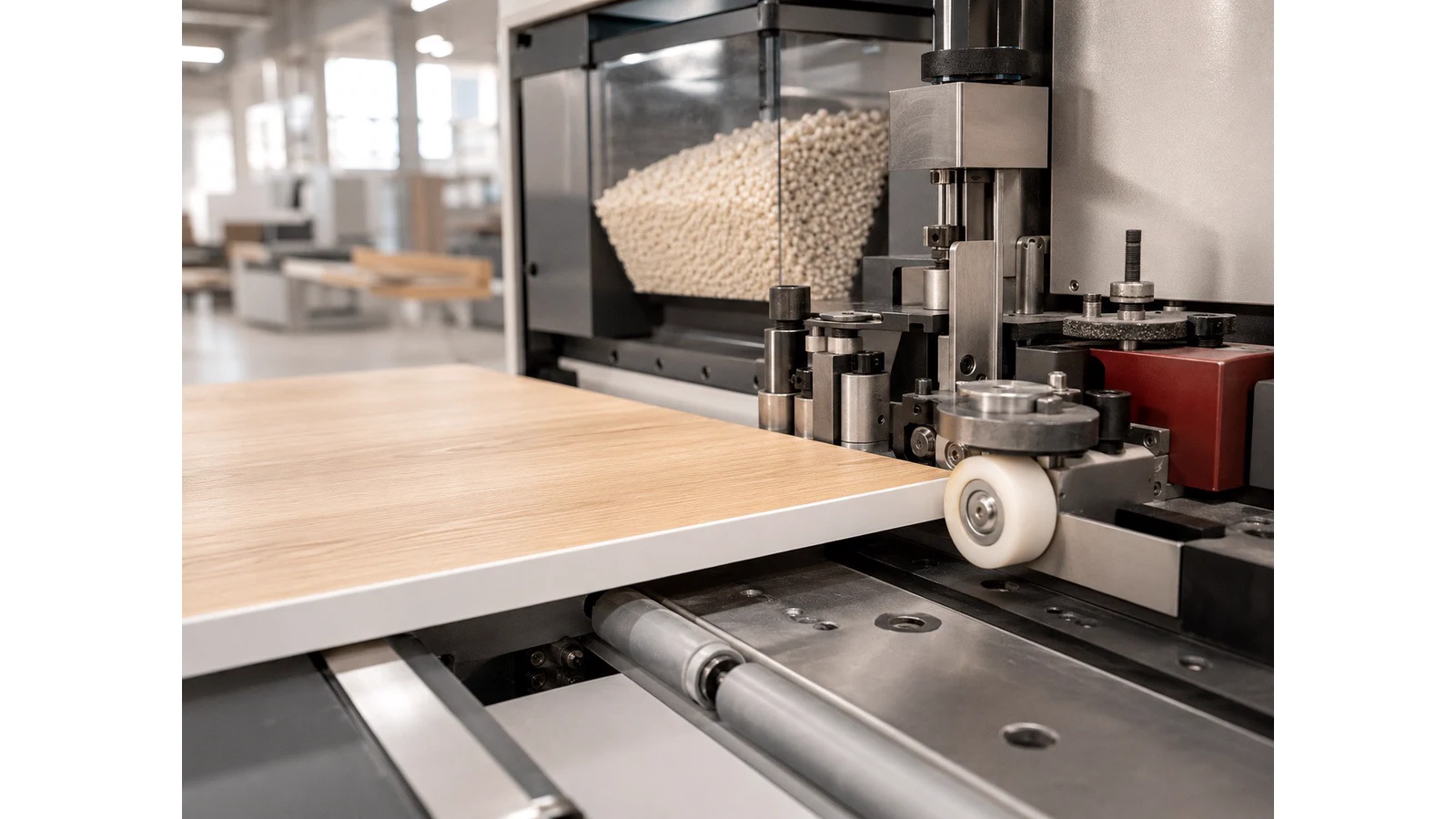
Application and grade selection
Send the edge-bander model, line speed, glue-pot and roller condition, board substrate, edge material, workshop temperature and required bond target. JINYOU can then shortlist a catalog family for sample validation on the buyer's production equipment.
Run a sample trial with the actual substrate, edge material, machine settings and workshop conditions before mass production.
RFQ and sample-trial checklist
For an accurate recommendation, send these production details instead of requesting a grade by temperature name alone.
Specifications that require confirmation
Viscosity, open time, final operating range, compatibility, test results, certificates, price, MOQ, lead time and payment terms are not blanket catalog claims. Confirm them in writing for the selected grade and shipment.
The catalog is a product-comparison document. Request the current TDS/SDS and written model confirmation before ordering or setting production parameters.
Related hot melt adhesive products
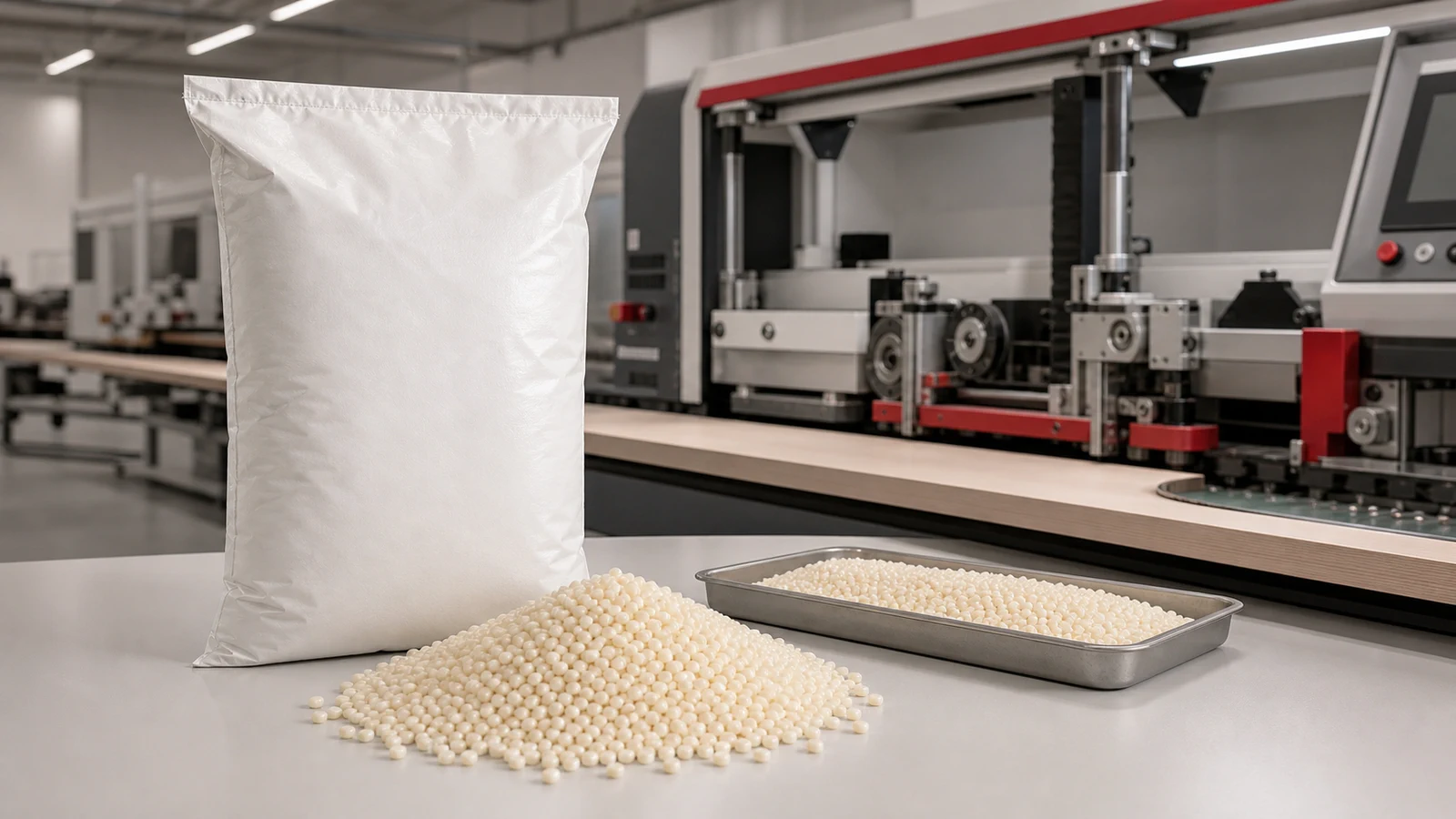
High-Temperature Edge Banding Hot Melt Adhesive
The catalog's 3XXX group for buyers evaluating a high-temperature edge-banding hot melt family. Paired references run from 3620 to 3640, with 3666 listed as a special modified granular PUR reference.
View product page >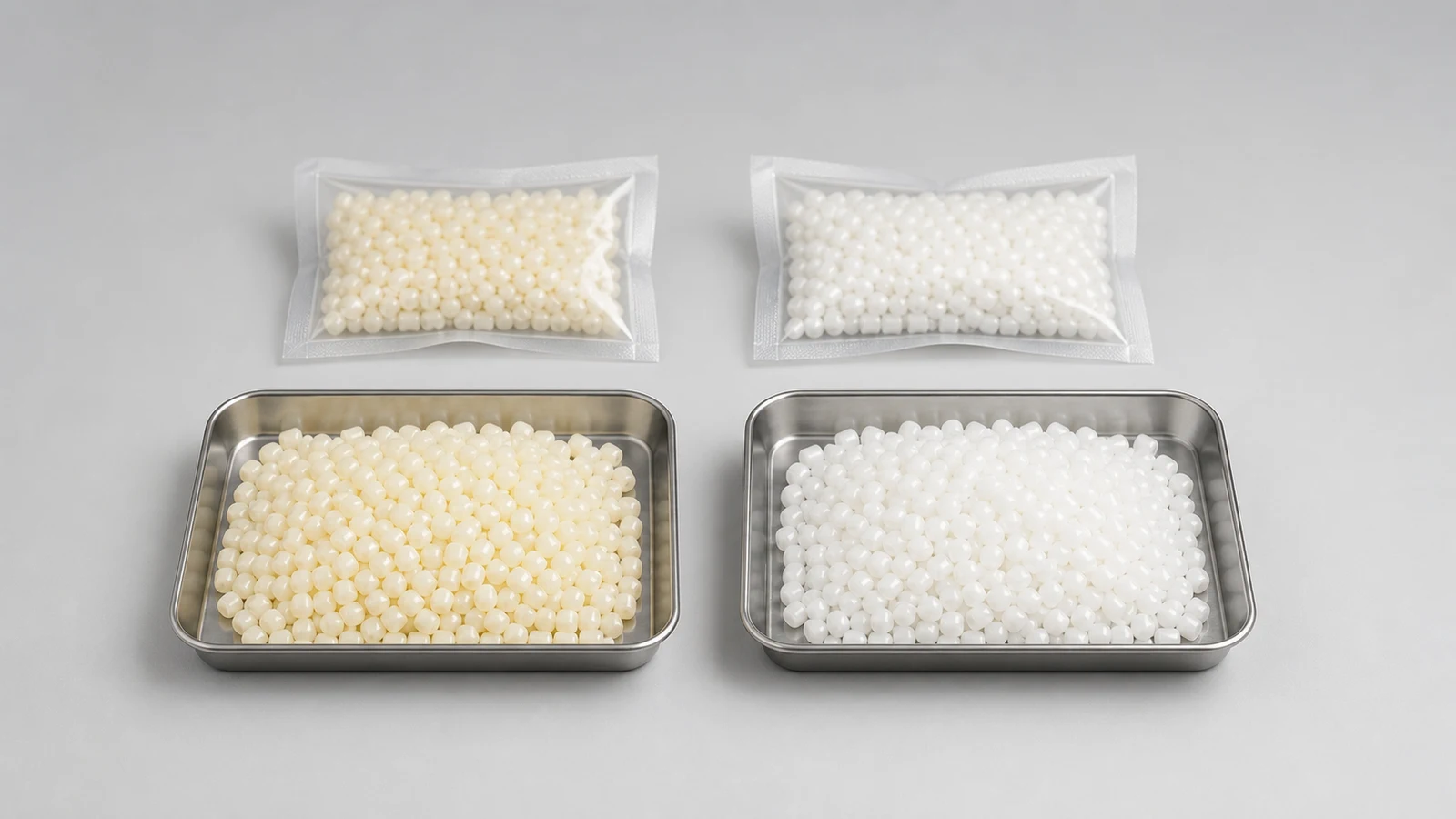
Medium-Temperature Edge Banding Hot Melt Adhesive
The catalog's 2XXX medium-temperature group, with paired references from 2620 to 2640 and special modified granular PUR reference 2666. Final operating settings depend on the selected grade and line trial.
View product page >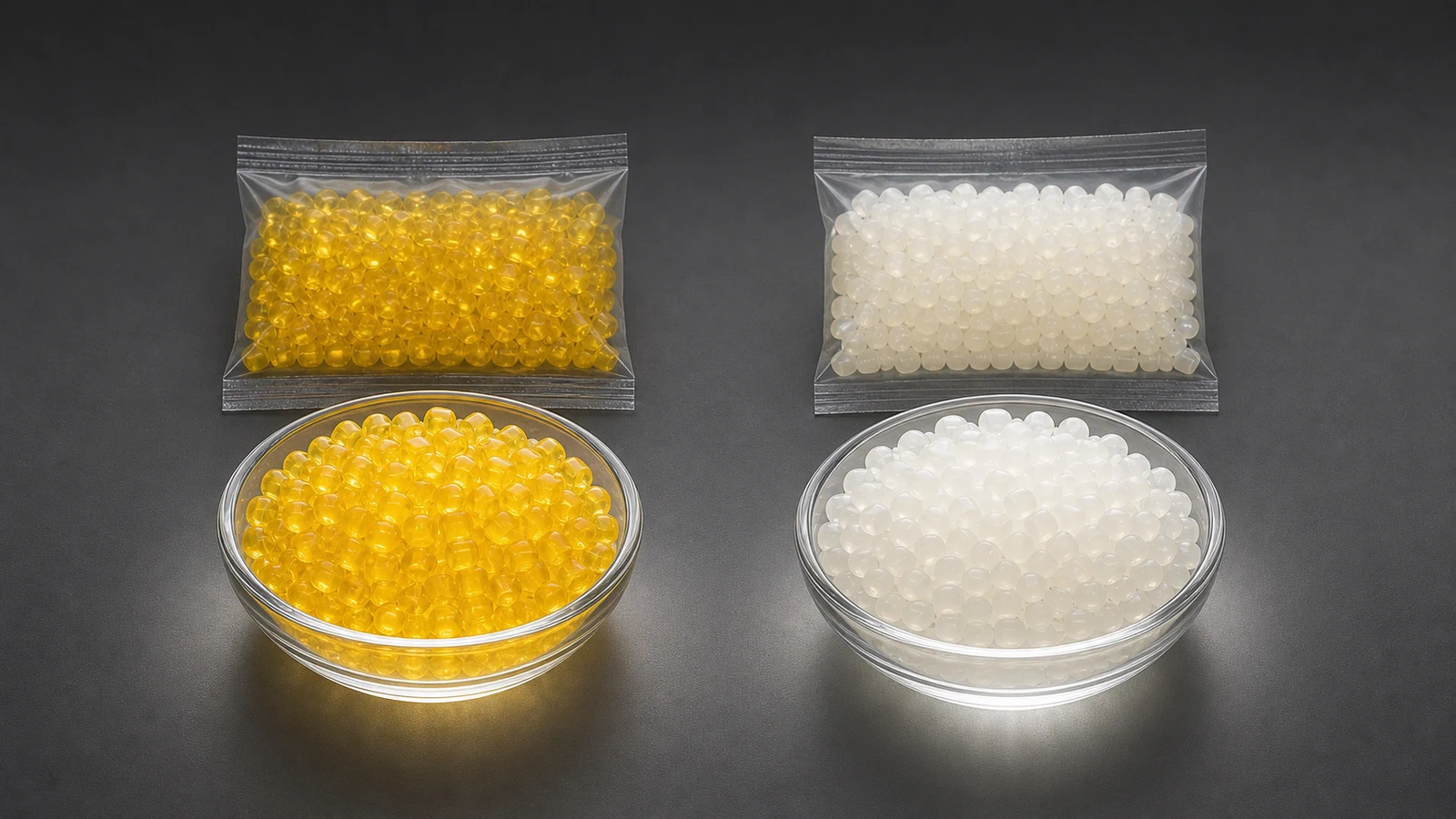
Trace-Free Translucent Hot Melt Adhesive
The catalog describes an optional 5:1 trace-free translucent blend in yellow-translucent and white-translucent appearances, with a catalog-recommended 130-180°C range. Confirm the exact paired grade and settings before use.
View product page >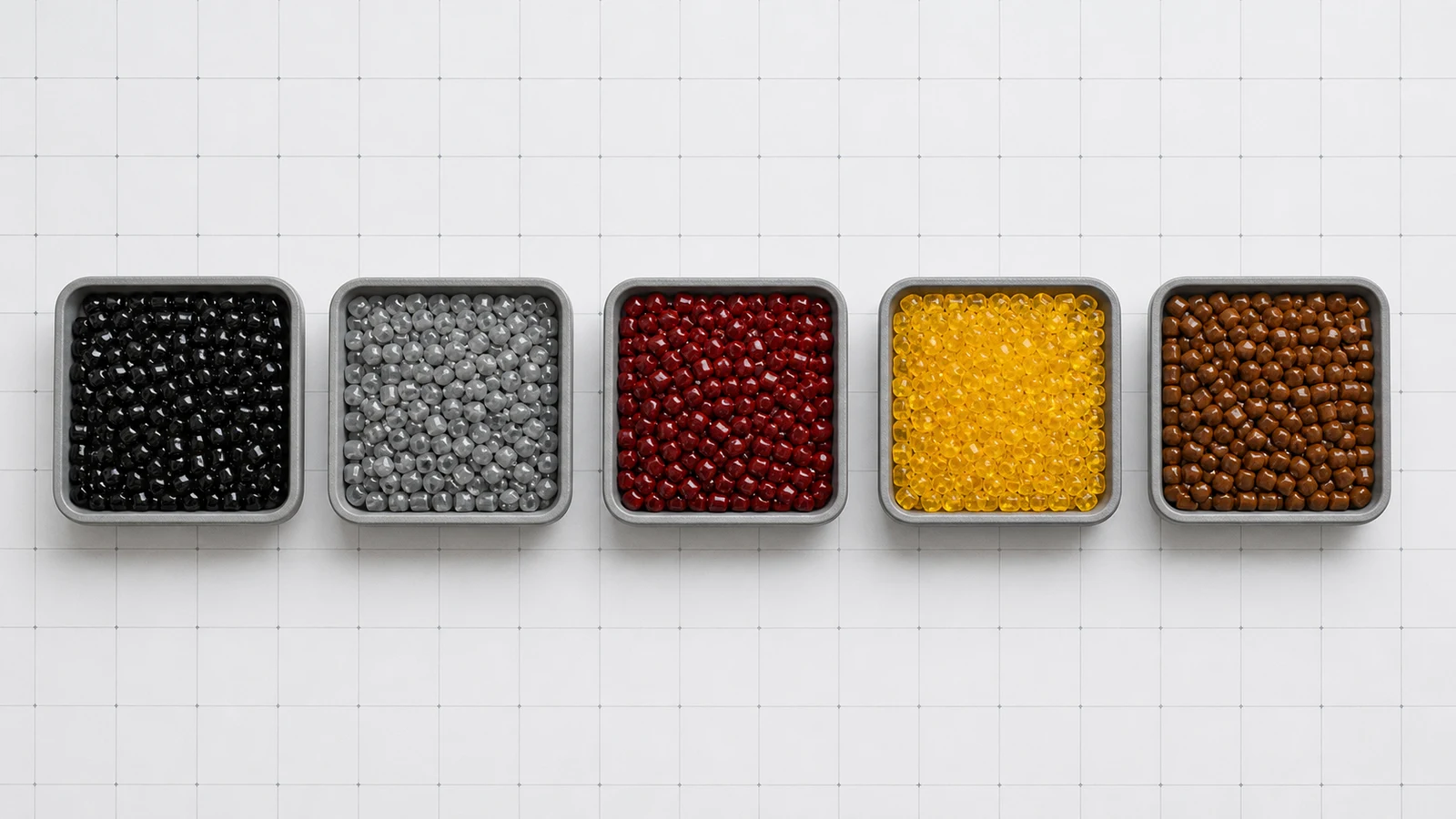
Colored Edge Banding Hot Melt Adhesive
The catalog lists black, gray, red, yellow and brown colored hot melt options in medium- and high-temperature versions. Match the color and grade to the actual edge material and visible glue-line requirement.
View product page >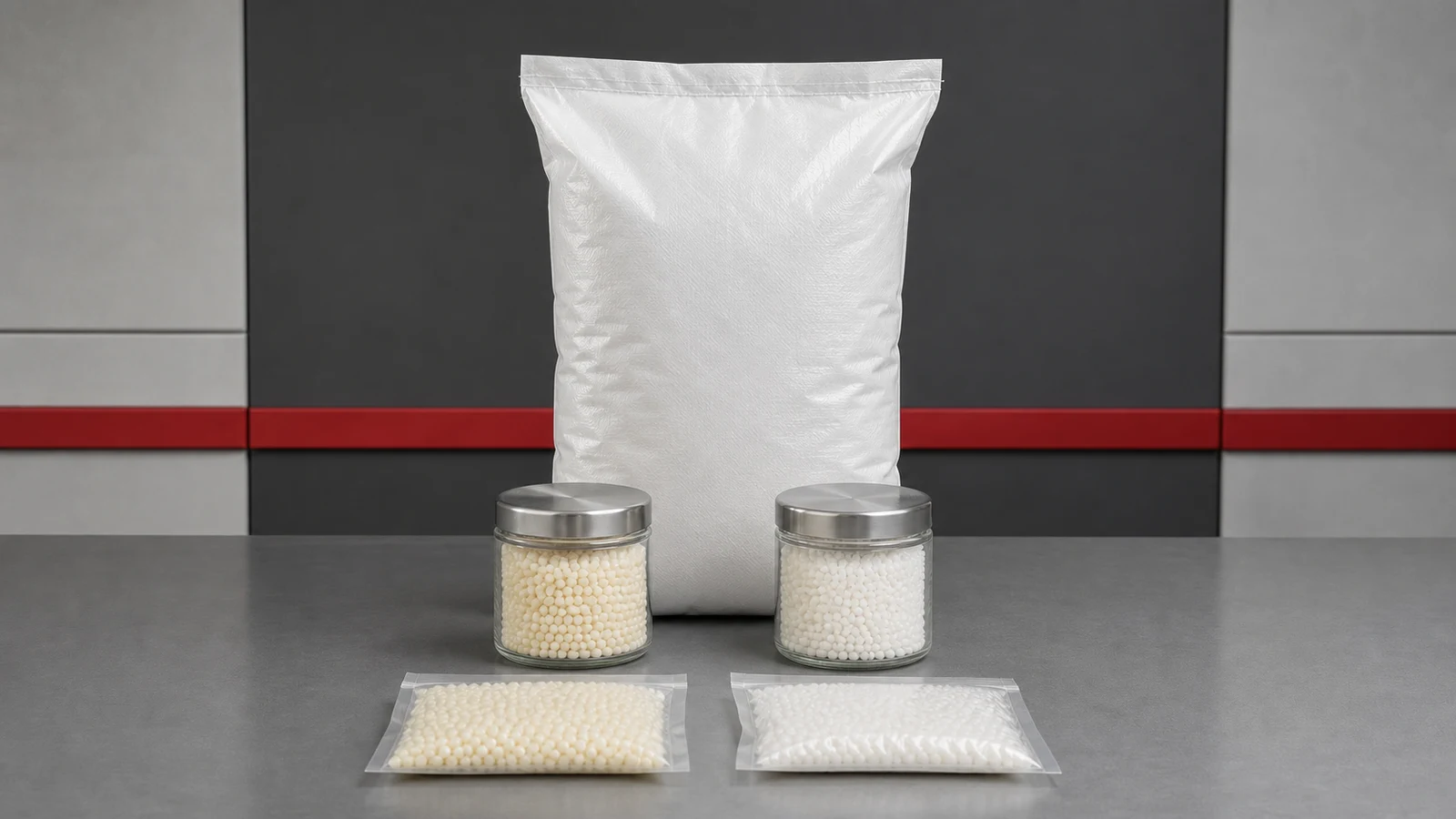
Modified Granular PUR Hot Melt Adhesive
The catalog identifies 3666 as the high-temperature and 2666 as the medium-temperature modified granular PUR references. Treat these as model identifiers and request the current grade-specific TDS/SDS and application confirmation.
View product page >How to select hot melt adhesive for edge banding
Do not select an edge-banding hot melt adhesive by temperature label alone. First record the machine and glue system, line speed, substrate, edge material, workshop conditions and required result; then compare the catalog family, request the current grade-specific TDS/SDS and validate a sample on the actual production line.
Buyer FAQ
Which catalog models are in this product family?
The referenced models are 1625. Availability and the final grade must be confirmed for the buyer's application.
What information is needed for a quotation and sample?
Send machine model, line speed, glue-pot condition, substrate, edge material, ambient temperature, quantity, destination and required documents.
Can the catalog values be used as final production settings?
No. Catalog information is for comparison. Use the current grade-specific TDS/SDS and verify settings with a production trial.
Low-Temperature Hot Melt Adhesive 1625 from JINYOU China
Product definition and buying guidance. Hot melt grade families are separated by application window, appearance, bonding demand and processing behavior; temperature labels alone are not sufficient for selection.
Low-Temperature Hot Melt Adhesive 1625 from JINYOU China is presented as a distinct purchasing family rather than a generic category label.
Hot melt grade families are separated by application window, appearance, bonding demand and processing behavior; temperature labels alone are not sufficient for selection.
Send machine, glue pot or cartridge system, line speed, panel, edge material, workshop temperature, target appearance and performance test.
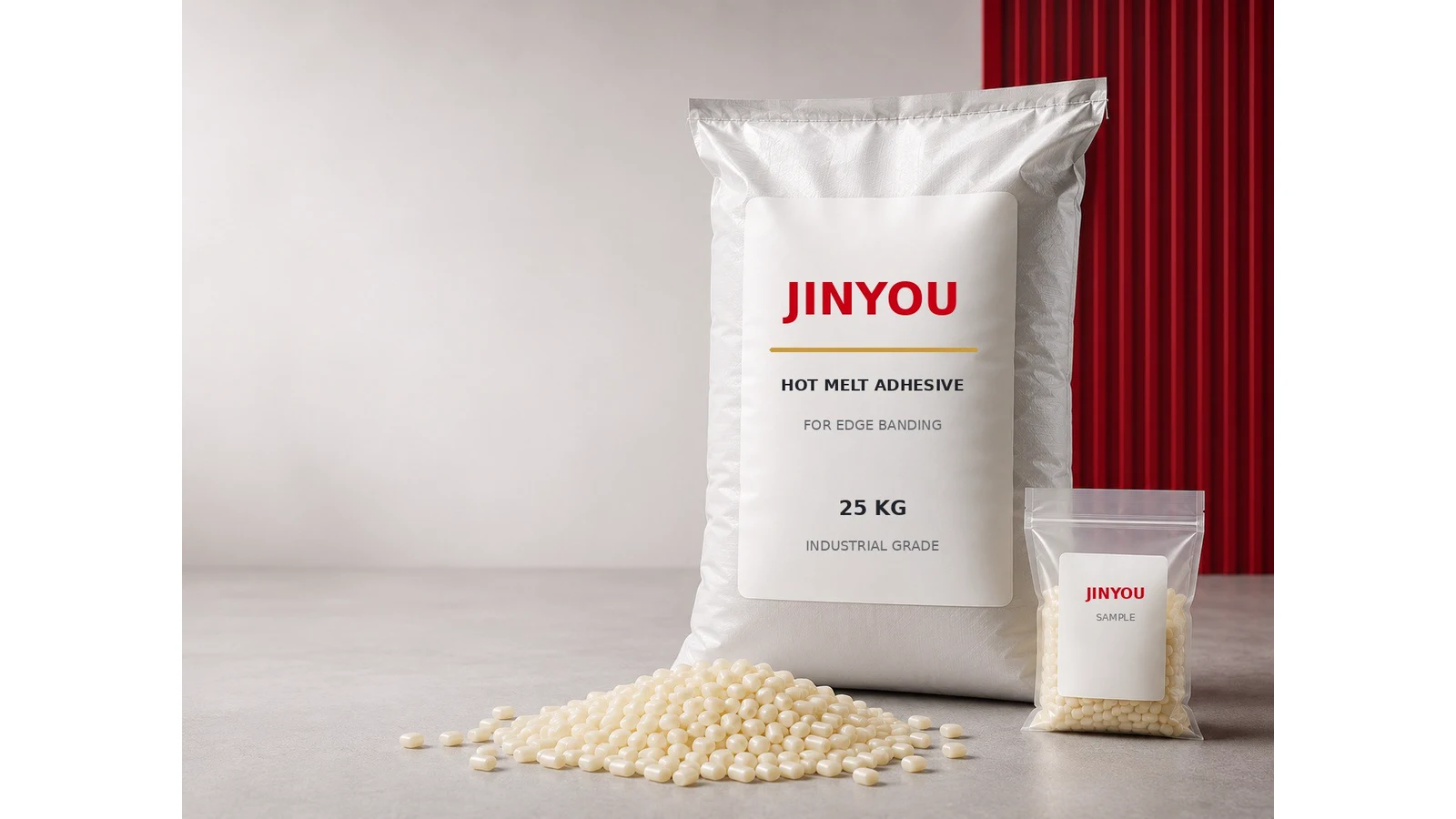
JINYOU will map the request to the suitable current product, owned-production or partner-manufacturing source as applicable, then confirm samples, documents and commercial terms before order.
Typical production and supply-control workflow
This is a typical process and supply-control sequence, not a claim that every product is made on one JINYOU-owned line. Exact procedures and evidence depend on the confirmed factory, grade and order.
RFQ information to send
- Exact product or grade and end-use
- Dimensions, thickness, color, finish or formulation role
- Machine, process and operating conditions
- Target performance and approval sample
- Required TDS, SDS, COA or destination evidence
- Quantity, packing, labeling and destination
- Incoterm, target schedule and trial request
- Photos, drawings or current reference sample